
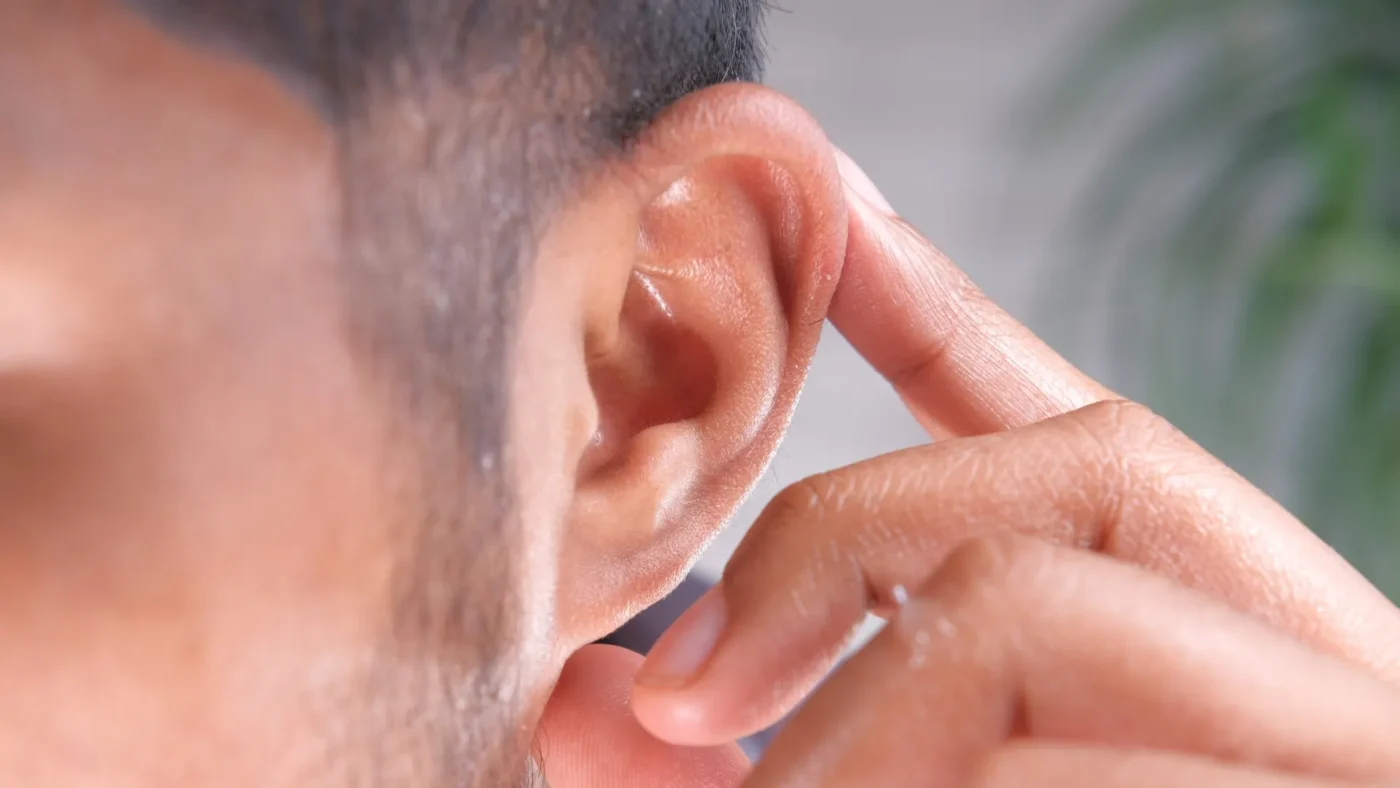
Many people view earwax as a sign of being dirty, but this natural substance is actually a vital part of how the body keeps the ears healthy. Wax acts as a shield that traps dust, germs, and other small particles before they can reach the delicate parts of the inner ear.
Usually, the ears clean themselves by slowly moving the wax and trapped debris outward, where it can be wiped away. However, sometimes a buildup can happen that leads to a clogged feeling or a change in how well a person can hear clearly during the day.
Wax Protects the Sensitive Ear Canal
The skin inside the ear canal is very thin and needs the oils found in wax to stay moisturized and free from irritation or cracks. Without this natural coating, the ears could become very itchy and more likely to develop an infection from bacteria or fungi.
Wax also has a slightly acidic quality that helps stop germs from growing deep inside the auditory path, where they could cause pain or swelling. Recognizing that wax is a helpful friend rather than an enemy is a key part of maintaining a healthy and balanced ear care routine.
Self-Cleaning Methods Can Cause Blockages
A common mistake many people make is trying to remove wax with a cotton swab or a small tool, which often pushes the material deeper. When wax is shoved back toward the eardrum, it can become hard and stuck, creating a solid wall that blocks sound from entering the ear correctly.
This type of blockage is one of the most frequent reasons people visit a hearing health professional with a sudden loss of hearing or a full sensation. Staying away from the inside of the ear with any object is the safest way to avoid creating a painful and muffled problem.
Recognizing the Signs of an Impaction
When a buildup of wax becomes too large, a person might start to feel a dull ache or a persistent ringing in the impacted ear. Other signs include a feeling of dizziness or a sensation that the ear is plugged with water, even when it is completely dry.
If the world suddenly sounds like it is coming from another room, a wall of wax may be the culprit behind the change. Identifying these physical signals early allows for a quick and safe removal process that restores clarity and comfort to the ear and the mind.
Certain Factors Increase the Risk of Buildup
Some individuals naturally produce more wax than others, and things like using earbuds or wearing hearing devices can also increase the chance of a blockage. These objects can block the natural outward movement of the wax, causing it to collect and harden over a period of weeks or months.
People with narrow ear canals or those who have a lot of hair in the ears might also find that wax gets trapped more easily. Being aware of these personal factors helps a person know when it might be time to seek a little extra help with their ear hygiene.
Safe Ways To Manage Wax At Home
If a person feels like their ears are getting a bit full, using a few drops of mineral oil or a special over-the-counter solution can help. These liquids work by softening the wax so that the body can move it out naturally during a warm shower or while sleeping.
This gentle approach avoids the risks of poking and digging while still helping to keep the ear canals clear and comfortable for daily listening. If the muffled feeling stays around after trying these home methods, it is a clear sign that the buildup needs the attention of an expert.
The Role of a Hearing Health Professional
A hearing health professional has the specialized tools and the clear view needed to safely remove a wax blockage without hurting the sensitive eardrum. They can use a tiny vacuum or a gentle water stream to clear the canal in just a few minutes, providing instant relief from the pressure.
This professional cleaning is the best way to handle a stubborn impaction and ensures that the ears are completely clear and healthy. Visit a hearing health professional today to have your ears checked and experience the immediate return of crisp and clear sound to your world.