
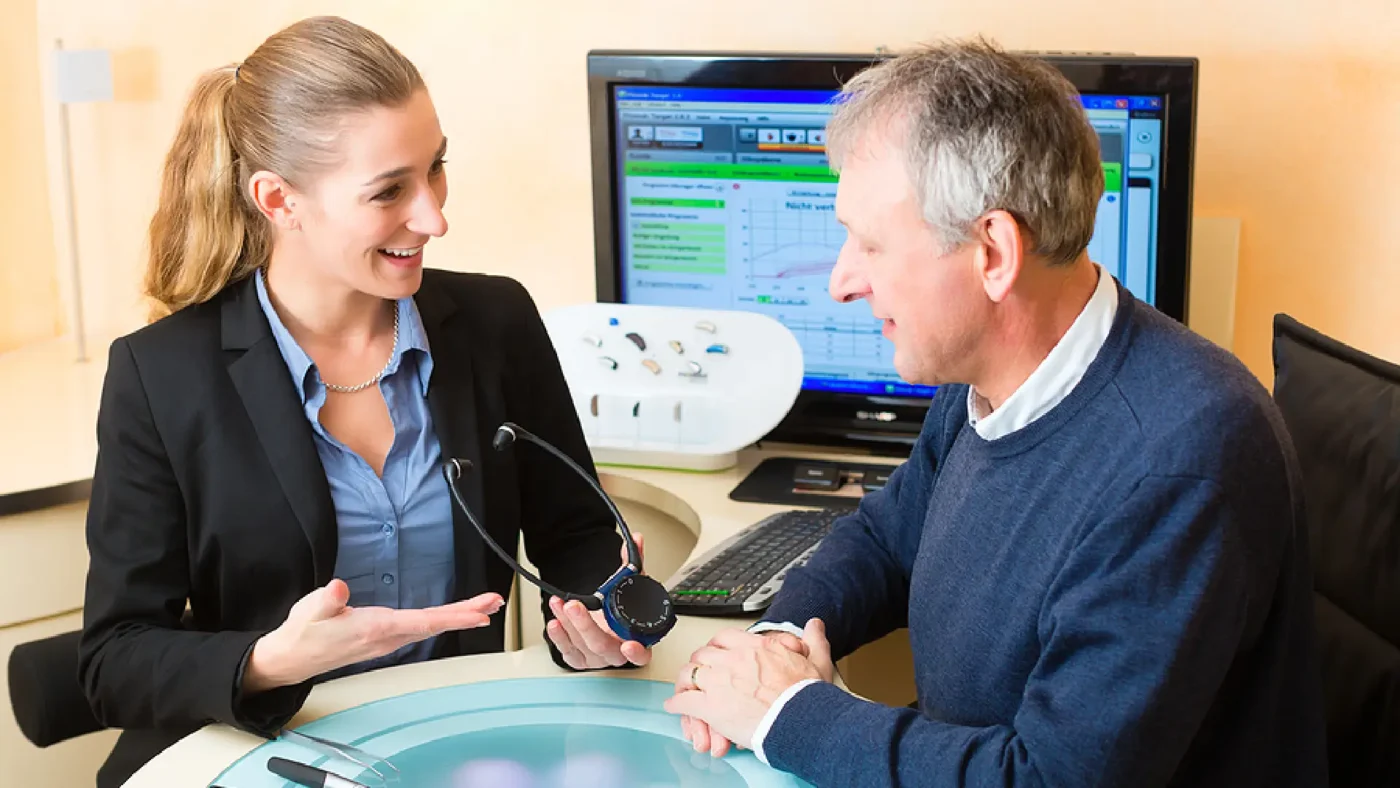
Advanced devices called hearing aids are made to help people hear clearly again. Their performance is dynamic, though. Environments and hearing needs can change, and so technology also needs to be updated over time. Regular adjustments guarantee that hearing aids always support the user, maintaining balanced and clear sound.
Beyond technical accuracy, regular maintenance makes users feel comfortable and involved in daily activities and conversations. Tiny adjustments made at the appropriate times avoid annoyance and guarantee that hearing aids continue to be dependable partners rather than causes of discomfort or distraction.
Adapting to Changing Hearing Requirements
Hearing deteriorates over time, so treatments that were effective a few months ago might no longer be so. By making adjustments, the device can adapt to changes in hearing sensitivity and maintain balanced sounds and clear speech. Ignoring these shifts can make it harder to follow conversations and result in less clarity.
Early detection of changes in hearing health is made possible by routine follow-ups. Longer-term frustration can be avoided by making quick adjustments to address any new difficulties that may emerge. Regular maintenance preserves the devices’ comfort and trustworthiness.
Getting Used to Various Environments
There are many different listening scenarios in daily life, such as crowded social gatherings, busy streets, and quiet rooms. To handle these various soundscapes, hearing aids require routine fine-tuning. Performance can be improved by making adjustments to keep speech clear and understandable while reducing background noise.
These improvements enable the devices to react to uncertain surroundings. For example, a new routine or a change in noise levels at work can affect listening needs. Regular adjustments guarantee that hearing aids continue to be useful tools for everyday life rather than merely pieces of equipment kept in a drawer.
Improving Fit and Comfort
Despite being disregarded, physical comfort is necessary for regular use of hearing aids. Over time, ear canals may change, causing devices to feel tighter or shift. Constant check-ins enable minor fit modifications that lessen discomfort, improve retention, and promote longer wear times during the day.
Comfort also affects how sound is perceived. Listening fatigue can be avoided with even small adjustments to program settings, tone, or volume. Customized adjustments improve the user experience and help users feel comfortable using their devices in any circumstance.
Taking Care of Software and Technical Updates
The sophisticated software that powers hearing aids changes as technology advances. Regular modifications give you the chance to use new features, improves functionality, and incorporate updates. Outdated settings can hinder performance by making environmental sounds less natural or speech more difficult to understand.
Wear-and-tear problems are also addressed by technological fine-tuning. Over time, components may deviate from their initial calibration, and minor irregularities may compromise balance or clarity. Devices continue to function as intended thanks to routine adjustments that maintain optimal performance.
Avoiding Irritation and Desertion
Unresolved problems with hearing aids result in dissatisfaction or irregular use. Devices may become uncomfortable, conversations may be hard to follow, or sound may feel harsh. Constant modifications avoid these difficulties, lower the chance of desertion, and promote steady participation in day-to-day activities.
Ongoing care promotes candid communication about needs and preferences. Equipment is one aspect of adjustments; another is preserving a productive collaboration between the wearer and the devices. Confidence and a favorable experience with hearing aids are increased by this attention.
Acting to Ensure Reliable Performance
Regular maintenance and improvements are essential to the optimal performance of hearing aids. Scheduling adjustments guarantee that comfort is maintained, sound quality is high, and devices adjust to shifting environments and hearing requirements. These visits offer a chance to assess performance, resolve issues, and implement changes that improve daily living.
Regular follow-ups or check-ins help guarantee that hearing aids continue to be useful and encourage partners. Long-term satisfaction is facilitated by small, timely changes that enable more confident behavior in all circumstances, clearer communication, and greater enjoyment of the environment. By doing this, the hearing aids’ worth and efficacy are maintained over time.