
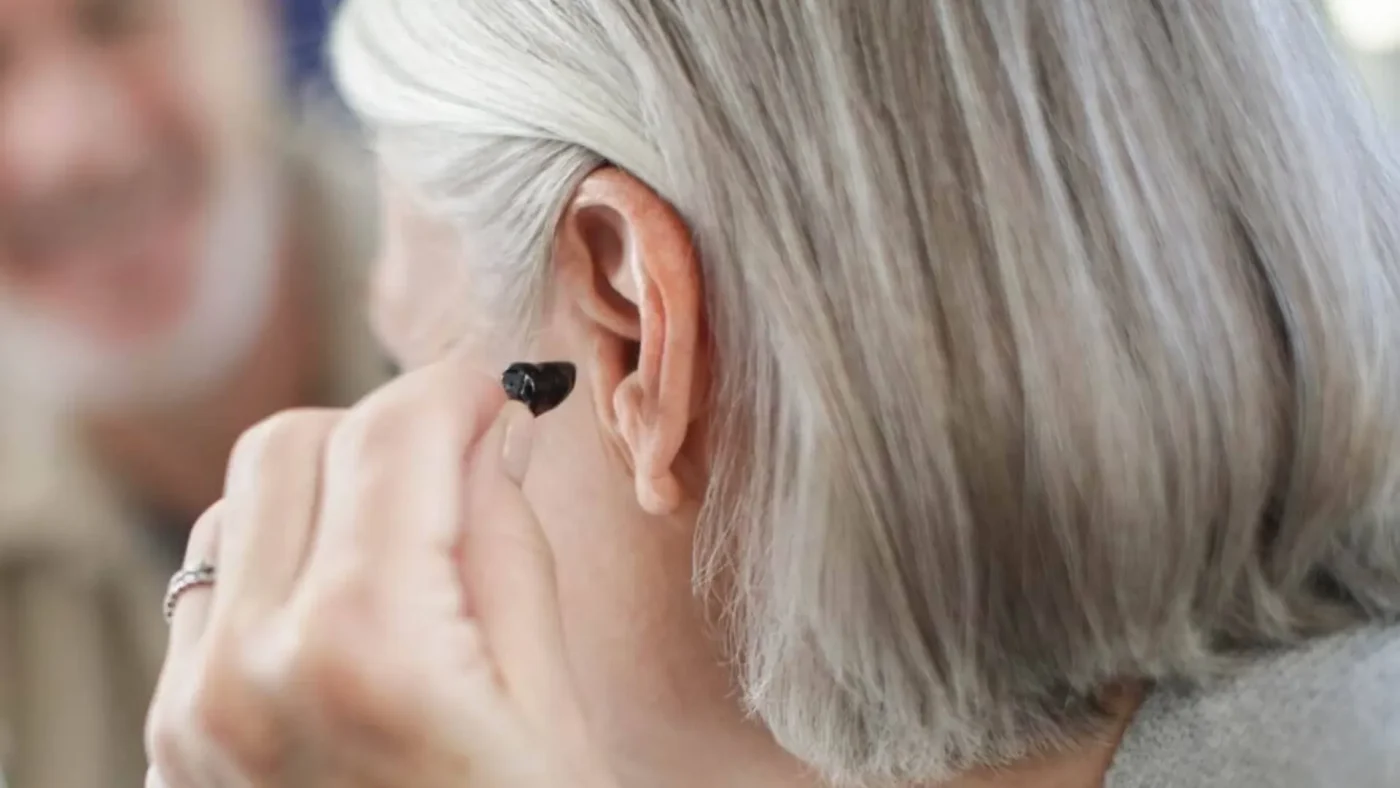
Choosing a hearing aid is an important step toward better communication and a more active life. Today’s hearing aids offer many features and styles, which can make the decision feel overwhelming at first. The good news is that the right device can improve conversations, increase confidence, and help people enjoy daily activities again.
The best hearing aid is not always the most expensive or the smallest. Instead, it is the one that fits your hearing needs, daily routine, and comfort level. Working with a hearing health professional can help you understand your options and make a choice that supports your lifestyle for years to come.
Start With a Professional Hearing Evaluation
Before selecting a hearing aid, it is important to understand the type and severity of your hearing loss. A complete hearing test provides valuable information about which sounds are difficult to hear and what type of support may work best.
A hearing health professional can also explain how hearing loss may affect work, family life, hobbies, and social activities. This information plays a major role in choosing the right hearing aid.
Think About Your Daily Lifestyle
Every person uses hearing differently throughout the day. Someone who spends time in quiet environments may need different features than someone who attends meetings, travels often, or enjoys busy restaurants.
Consider the situations where hearing matters most. For example:
- People who enjoy group conversations may benefit from advanced background noise reduction.
- Active individuals may want a device that fits securely during exercise or outdoor activities.
- People who use smartphones regularly may prefer Bluetooth-enabled hearing aids.
Lifestyle needs should always guide the selection process. A hearing aid that works well in one environment may not perform as well in another.
Understand the Different Hearing Aid Styles
Modern hearing aids come in several styles. Some fit behind the ear, while others sit inside the ear canal. Each design has strengths depending on comfort, visibility, and hearing needs.
Behind-the-ear models are often easier to handle and may offer longer battery life. In-the-ear styles are smaller and more discreet. Rechargeable devices are also becoming increasingly popular because they remove the need for frequent battery changes.
When discussing options with a hearing health professional, ask questions about comfort, durability, and maintenance. Choosing a style that feels comfortable during extended use can make the adjustment process much easier.
Consider Technology Features Carefully
Many modern hearing aids include advanced technology designed to improve sound clarity in challenging environments. While these features can be helpful, not everyone needs every available option.
Common features may include:
- Bluetooth connectivity for phones and televisions
- Directional microphones for clearer speech
- Rechargeable batteries
- Noise reduction systems
The right balance of features depends on personal needs and budget. Someone who enjoys watching television may benefit greatly from wireless streaming, while another person may care more about simple controls and easy maintenance.
Proper Fitting and Adjustments Matter
Even a high-quality hearing aid may not perform well if it is not fitted correctly. Professional adjustments are important because hearing aids often need fine-tuning after the first fitting.
Many people need several follow-up visits before their hearing aid feels completely natural. This is normal. Hearing health professionals can make changes based on real-world experiences and listening challenges.
Be Patient During the Adjustment Period
Hearing aids do not instantly solve every hearing problem overnight. The brain needs time to adjust to hearing sounds that may have been missed for years. Everyday noises such as footsteps, air conditioners, or rustling paper may seem louder at first.
Patience and regular use are important during this process. Most people gradually become more comfortable and notice major improvements in communication within the first few weeks or months.
Family support can also make a difference during this adjustment period. Encouragement from loved ones often helps new users stay consistent with wearing their devices.
Conclusion
Choosing the right hearing aid involves more than selecting a device from a catalog. It requires understanding hearing needs, daily routines, comfort preferences, and long-term goals. A hearing aid should support the way a person lives and help them stay connected to the people and activities they enjoy most.
With professional guidance, proper fitting, and ongoing care, hearing aids can greatly improve the quality of life. Taking the time to choose carefully today can lead to better hearing experiences for years to come.