
Communication is a vital part of staying connected with family and friends. For many seniors, participating in lively conversations can become difficult over time. When it is hard to hear clearly, people often feel isolated and lose their confidence in social settings.
Fortunately, modern technology has made incredible advancements. Today, many tools are available to help older adults participate fully in their daily lives. By learning how to use these modern solutions, seniors can regain their listening confidence and enjoy meaningful interactions without frustration.
The Power of Bluetooth Connectivity
One of the most significant technological leaps in recent years has been the widespread adoption of Bluetooth. This wireless technology enables devices to communicate with one another over short distances.
For seniors who use modern hearing devices, Bluetooth is a game changer. It allows audio from televisions, computers, and smartphones to stream directly into the ears. When you listen to a phone call through a standard speaker, the sound has to travel through the air.
Along the way, it mixes with background noise, making it harder to understand the person on the other end of the line. With Bluetooth streaming, the audio is delivered directly to the user. This creates a clear and personalized listening experience.
Seniors can adjust the volume on their mobile devices without making the television too loud for others in the room. This direct connection significantly reduces the effort required to understand speech, which naturally boosts listening confidence.
Navigating the Landscape of Hearing Devices
There is no single solution that works perfectly for everyone. The market is filled with a variety of devices designed to address different levels of need. Some people might only require a slight boost in volume during specific situations, while others need consistent support throughout the day.
It is important to know that not all devices offer the same level of technology or personalization. Recently, new categories of devices have become available directly to consumers. While these can be helpful for mild situations, they often lack the precise programming needed for complex listening environments.
For a deeper look at your options, you need to know about the difference between over-the-counter and custom devices. Custom programming ensures that specific pitches and tones are amplified correctly. When a device is tailored exactly to your unique profile, your brain does not have to work as hard to fill in the missing pieces of a conversation.
Apps and Accessories that Boost Confidence
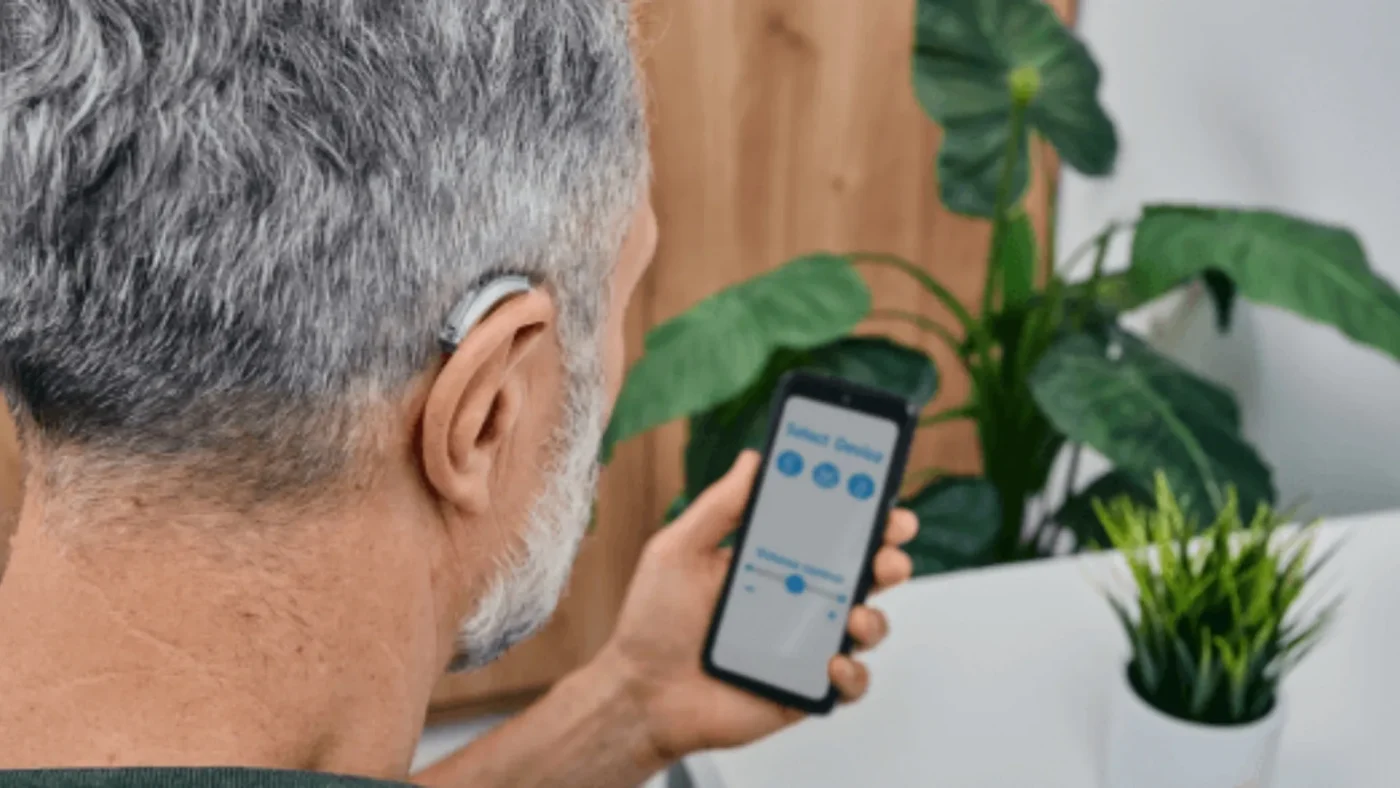
In addition to the primary hearing devices, many secondary tools can enhance the listening experience. Smartphone applications now serve as remote controls for your ears. These apps allow seniors to discreetly change settings based on their environment.
If you move from a quiet living room to a noisy restaurant, you can tap a button on your phone to reduce background noise. Other helpful technologies include:
- Remote microphones that can be clipped onto a speaker’s shirt, sending their voice directly to your ears from across a noisy room.
- Captioned telephones that display written text of what the other person is saying in real time.
- Alerting devices that use flashing lights or strong vibrations to signal a doorbell ring or a smoke alarm.
The Journey of Adapting to New Technology
Acquiring new technology is only the first step. The brain needs time to relearn how to process sounds that it has not heard clearly for years. When seniors first start using advanced hearing technology, the world can suddenly seem very loud.
The sound of a running refrigerator or the rustling of a newspaper might be overwhelming at first. This reaction is completely normal. Building listening confidence requires patience and consistent use of the new devices.
Over a period of weeks, the brain gradually filters out these unimportant background noises. To better understand this process, you can explore the timeline for adjusting to new hearing aids. Working closely with a hearing health professional during this period is essential.
They can make minor adjustments to the technology to ensure it is comfortable and effective. By embracing these modern tools and practicing patience, seniors can confidently engage in conversations and fully enjoy the sounds of the world around them.