
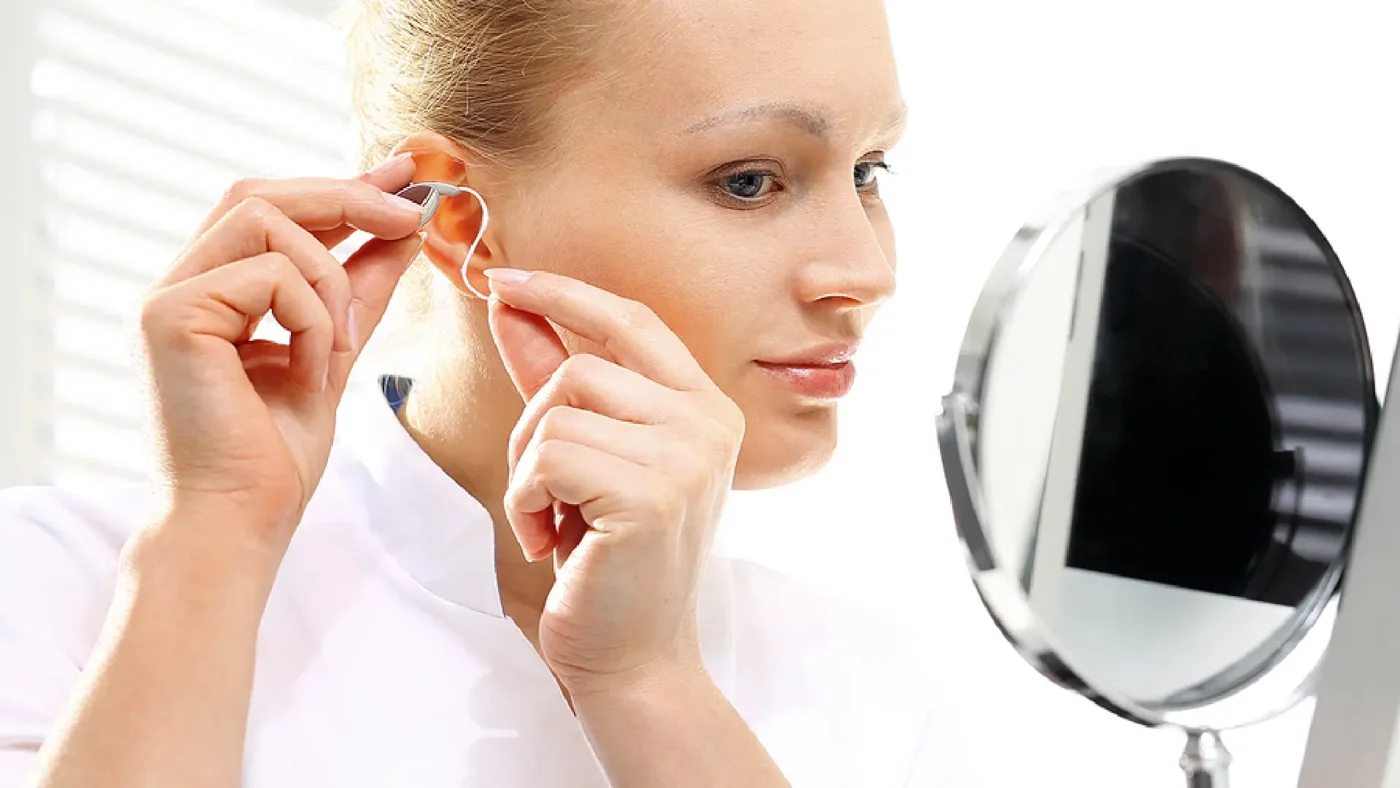
The first-ever hearing aid fitting is always an exciting experience. All of a sudden, voices are clear, sounds are rich, and life is more connected. But adjusting to hearing aids isn’t something that happens instantly. One must make minor changes and alterations along the way as the brain adapts to hearing sound in different ways.
To ensure that hearing aids function properly in daily life, a follow-up fitting helps adjust those specifics. The difference between hearing well and thriving with improved hearing can be determined by knowing when to schedule an appointment.
It Takes Patience and Time to Adjust
Everybody’s experience with the initial fitting of new hearing aids can be unique. Some notice that sounds feel sharper or more noticeable than they should, while others adjust quickly. This phase of adjustment is typical. It may take some time for the brain to retrain itself to process sounds that it may not have heard well in years.
Once that adjustment period has subsided, a follow-up fitting offers an opportunity to check in. It’s a chance to discuss what is effective and what may require improvement. Comfort and performance in various listening situations can be impacted by even small adjustments to volume, tone, or clarity.
Signs That Hearing Aids May Require an Adjustment
Wearing hearing aids should become nearly effortless over time. When it doesn’t, it’s an indication that a second fitting might be beneficial. For instance, if certain sounds seem too loud or too soft, or if conversations in noisy environments still feel hazy, those are indicators that the settings might need to be changed.
After use, feedback or a slight whistling sound may also emerge. This may occur as hearing aids become used to daily life and exposure to various settings. Making an appointment for a follow-up guarantees that those problems are resolved quickly before they become annoying.
As Hearing Changes Over Time, So Should Hearing Aids
Hearing is dynamic. It changes due to aging, illness, and even noise exposure. The way hearing works now might not be compatible with a fitting that was ideal a few months ago. Constant follow-up fittings help to maintain clear, consistent sound quality by keeping the technology in line with those natural changes.
Daily listening can be improved with even small changes. Tiny recalibrations adjust how hearing aids react to particular scenarios, like noisy environments or quiet discussions. Hearing aids continue to support the brain’s accurate and comfortable processing of sound by keeping settings up to date.
Performance and Comfort Go Hand in Hand
Sound performance is important, but so is physical comfort. Hearing aids may gradually change or become slightly uncomfortable, especially if weight changes or new earmolds are added. These minor fit problems can have an impact on how natural everything feels and how well sound reaches the ear.
Both the physical fit and the sound settings can be changed during a follow-up fitting. It’s the ideal chance to ensure that the gadgets fit comfortably, sound evenly in various settings, and feel natural. Clearer hearing and increased confidence in wearing them every day are the outcomes.
The Function of Software Modifications and Technology Updates
With features that can be updated or adjusted via software, modern hearing aids are sophisticated. A follow-up fitting guarantees that the full potential of these updates is being utilized. Comfort, background noise reduction, and sound processing can all be improved with minor firmware changes or recalibrations.
Regular follow-ups help users stay up to date without having to replace devices too soon as hearing care technology advances. Every feature that is available is optimized to meet each person’s unique hearing objectives and lifestyle requirements, thanks to a well-timed fitting.
Consistent Care Is the First Step to Staying Connected
More than just a standard examination, a follow-up fitting is an important component of leading a connected life. With each modification, hearing aids get closer to being perfectly in tune with everyday activities like quiet times at home, family dinners, and outdoor events.
Now is the time to schedule a follow-up fitting if you’re noticing any minor changes in comfort or clarity. Regular visits protect long-term hearing health in addition to ensuring that hearing aids function at their best. Confidence and clear sound go hand in hand, and it begins with making the next easy move toward improved hearing care.