
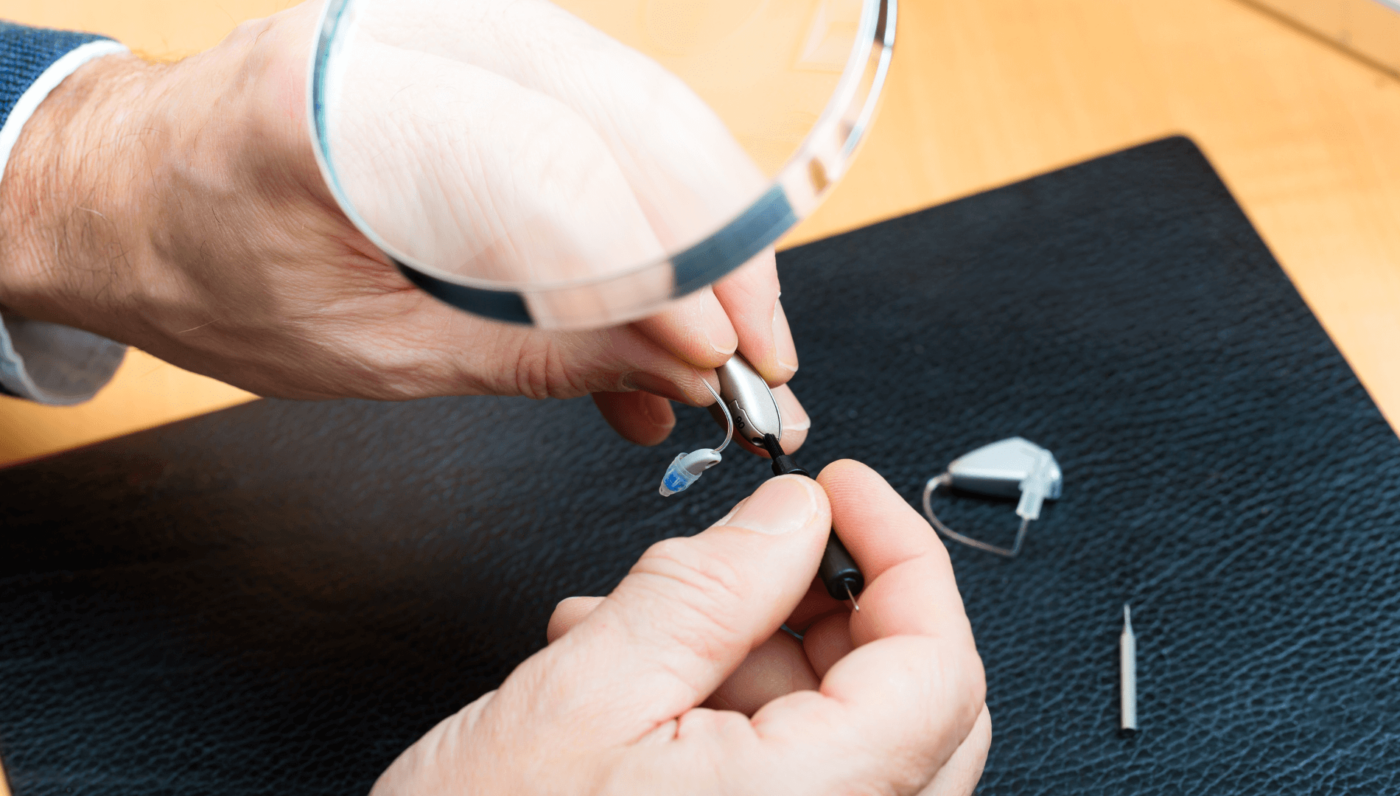
Hearing aids are essential tools that greatly enhance the quality of life for those with hearing loss. Like all valuable items, they require proper care and maintenance to function effectively and last longer. Regular cleaning, careful handling, and some essential tips can make a significant difference.
The Importance of Regular Cleaning
Hearing aids are incredibly sensitive devices, and they are exposed to earwax, moisture, and dirt throughout the day. Therefore, regular cleaning is critical to keep them working well.
Start by wiping the hearing aids with a soft, dry cloth at the end of each day. This simple step helps remove any collected oils or moisture. Ensure that the cloth is not too wet, as excessive moisture can damage the device.
For better care, clean the earmolds or domes gently with a mild soap solution once a week. Rinse them thoroughly and let them dry completely before reattaching them to the hearing aids. Avoid using alcohol or chemical wipes, as these can harm the hearing aids.
Once a month, a more detailed cleaning is advisable. This includes checking and cleaning the tubing, which can become clogged with debris. Use a small brush or wax pick to clean the tubing and other small parts. Some hearing aids come with specific cleaning tools—refer to the user manual for best practices.
Safe Storage Practices
Proper storage of hearing aids can prevent damage and extend their lifespan.
When not in use, store hearing aids in a dry, cool place. A hearing aid dehumidifier is highly recommended. This device removes moisture that might have accumulated during the day, particularly if it was a humid or sweaty environment. A dehumidifier is a worthwhile investment that can significantly extend the life of hearing aids.
When traveling, always store hearing aids in their protective case. This will shield them from damage and extreme temperatures. Avoid leaving hearing aids in a car, especially under direct sunlight, as excessive heat can damage the delicate components.
Battery Care and Replacement
Good battery maintenance ensures that hearing aids work effectively without unexpected interruptions.
Check the batteries regularly. If a hearing aid starts to lose power, replace the batteries to ensure optimal performance. Keep spare batteries on hand and store them in a cool, dry place.
When replacing batteries, ensure that the device is turned off to prevent any accidental damage. Hands should be washed thoroughly before handling the batteries to avoid transferring oils or dirt.
To extend battery life, turn off the hearing aids when not in use. Open the battery door at night to let the device air out and to help preserve battery life. This small step can make a significant difference in ensuring extended use from each battery.
Professional Maintenance and Checkups
Regular professional checkups are essential to maintaining hearing aids.
Visit a hearing health professional at least once a year for a thorough examination of the hearing aids. The professional will check the devices, ensuring all parts are in good condition and performing optimally. They can also make necessary adjustments for comfort and effectiveness.
If the hearing aids malfunction or show signs of wear and tear between annual checkups, contact a professional. Timely repairs can prevent small issues from becoming major problems.
Protecting Your Hearing Aids from Water
Moisture is one of the biggest threats to hearing aids. Care should be taken to keep them dry.
Use waterproof cases if planning to be around water. This provides an extra layer of protection against accidental splashes or drops into water.
Remove hearing aids before showering, swimming, or going out in the rain. Store them in a safe, dry place when engaging in activities where excessive moisture is a risk.
Conclusion
Proper care and maintenance of hearing aids involve regular cleaning, safe storage, frequent battery checks, professional inspections, and protection from moisture. By following these steps, hearing aids can perform at their best and have a longer lifespan. This ensures that they continue to provide the vital support needed for hearing clearly in daily life.