
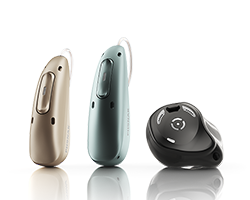
Hearing health technology has made significant advancements in recent years. These innovations are not only enhancing the quality of life for people with hearing loss but also making hearing aids and other devices more accessible and effective.
Cutting-Edge Hearing Aids
One of the most exciting developments in hearing health technology is the advent of new and improved hearing aids. These devices are now smaller, more powerful, and packed with once-unimaginable features.
Traditional hearing aids relied on disposable batteries, which could be inconvenient and expensive. However, modern hearing aids often come with rechargeable batteries. These batteries can typically last all day on a single charge, providing a more environmentally friendly and cost-effective solution.
Bluetooth technology has also become a standard feature in many hearing aids. This allows users to connect their hearing aids directly to smartphones, televisions, and other devices. As a result, streaming phone calls, music, and other audio content directly to the hearing aids has become seamless and easy.
Finally, artificial intelligence (AI) is making waves in the field of hearing health. Some of the latest hearing aids use AI to adapt to different listening environments in real-time. For instance, if a person moves from a quiet room to a noisy restaurant, the hearing aid can automatically adjust its settings to reduce background noise and enhance speech. This leads to a more natural and comfortable listening experience.
Smartphone Applications
Smartphone apps are now essential tools for managing hearing health. These apps offer various features and functionalities that were previously unavailable.
Smartphone apps allow for the customization of hearing aids. Users can adjust volume levels, switch between different listening programs, and even locate lost hearing aids using the app. This level of control makes it easier to tailor the hearing experience to individual needs.
Some hearing aid apps also include health monitoring features. They can track physical activity, monitor heart rate, and even detect falls. These features provide added value, especially for older adults who may need additional health support.
Cochlear Implants
Unlike traditional hearing aids, which amplify sound, cochlear implants bypass damaged parts of the ear and directly stimulate the auditory nerve. Recent advancements in cochlear implant technology have led to significant improvements in speech understanding.
The rise of hybrid cochlear implants has combined the benefits of traditional hearing aids and cochlear implants. They are ideal for individuals with both high-frequency hearing loss and some remaining low-frequency hearing. This combination allows for a more comprehensive hearing solution.
Tinnitus Management
Tinnitus, a condition characterized by ringing or buzzing in the ears, affects millions of people worldwide. Recent innovations are providing new ways to manage this often debilitating condition.
Neuromodulation is an emerging treatment for tinnitus that involves stimulating the nerves associated with hearing. By sending electrical or magnetic pulses, neuromodulation can help retrain the brain and reduce the symptoms of tinnitus. This treatment shows promise for those who have found little relief from other methods.
Teleaudiology
Through teleaudiology, people can access audiology services remotely without the need for in-person visits. Remote consultations allow hearing health professionals to conduct hearing tests, make adjustments to hearing aids, and provide counseling through video calls. This not only saves time and travel but also makes hearing health services more accessible to those in rural or underserved areas.
With remote programming, hearing health professionals can fine-tune hearing aids from afar. Patients can describe the issues they are experiencing, and hearing health professionals can make real-time adjustments through a connected app. This ensures that hearing aids are always performing at their best.
The Future of Hearing Health Technology
The future of hearing health technology looks promising. Ongoing research and development are likely to bring even more advanced and effective solutions.
For example, gene therapy is a frontier area that could potentially reverse hearing loss by repairing damaged cells in the ear. While still in the experimental stages, gene therapy holds the promise of restoring natural hearing without the need for devices.
As the Internet of Things (IoT) expands, hearing aids and other hearing devices will become even more interconnected. Enhanced connectivity will allow for more seamless integration into everyday life, making it easier to manage hearing health.
Affordability and accessibility are also key areas of focus. Efforts are underway to make hearing aids and other technologies more affordable, ensuring that more people can benefit from these innovations.
Conclusion
In conclusion, the latest innovations in hearing health technology are transforming the lives of those with hearing loss. From cutting-edge hearing aids to groundbreaking treatments like cochlear implants and teleaudiology, the future of hearing health looks bright. As technology continues to evolve, it opens up new possibilities for enhancing hearing and improving people’s overall quality of life.